
Energy storage power stations, especially large-scale lithium-ion battery storage facilities, have become one of the core pillars of the new power system. However, the highly concentrated energy density behind them harbors significant safety challenges – numerous accidents in recent years have made "thermal runaway" a focal point of industry attention. From abnormal temperature increases in individual battery cells to container-level fire spread, it often takes only a few minutes or even less. How to build a "early detection, early response" warning system has become a key issue for energy storage safety.
Facing the full-process risks of energy storage power stations, from "incubation of hidden dangers" to "accident outbreak," we need to build three progressive lines of defense to truly achieve a shift from passive disaster relief to proactive prevention.
First line of defense: Capturing temperature anomalies, nipping thermal runaway in the bud
Battery temperature is the most intuitive indicator of its health. Traditional temperature monitoring solutions, due to sparse deployment and delayed response, often fail to capture subtle temperature fluctuations in the early stages of thermal runaway.
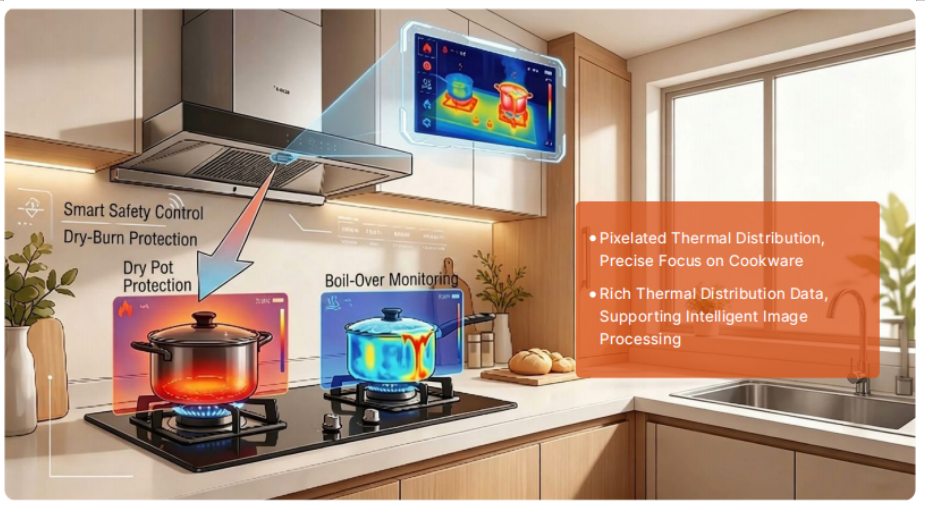
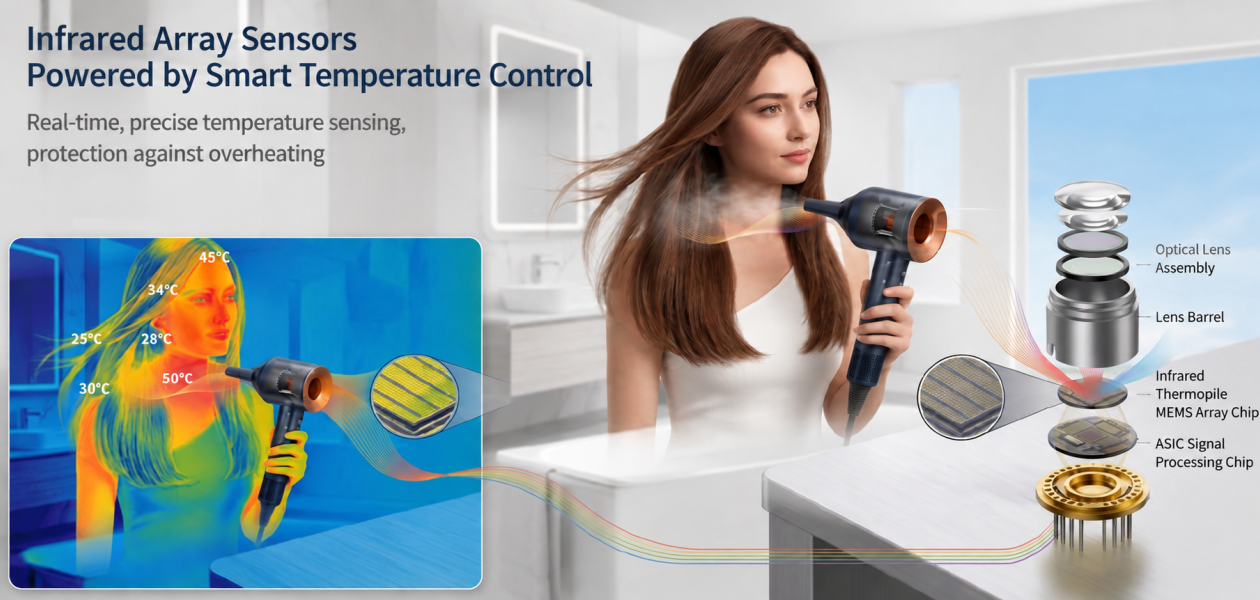
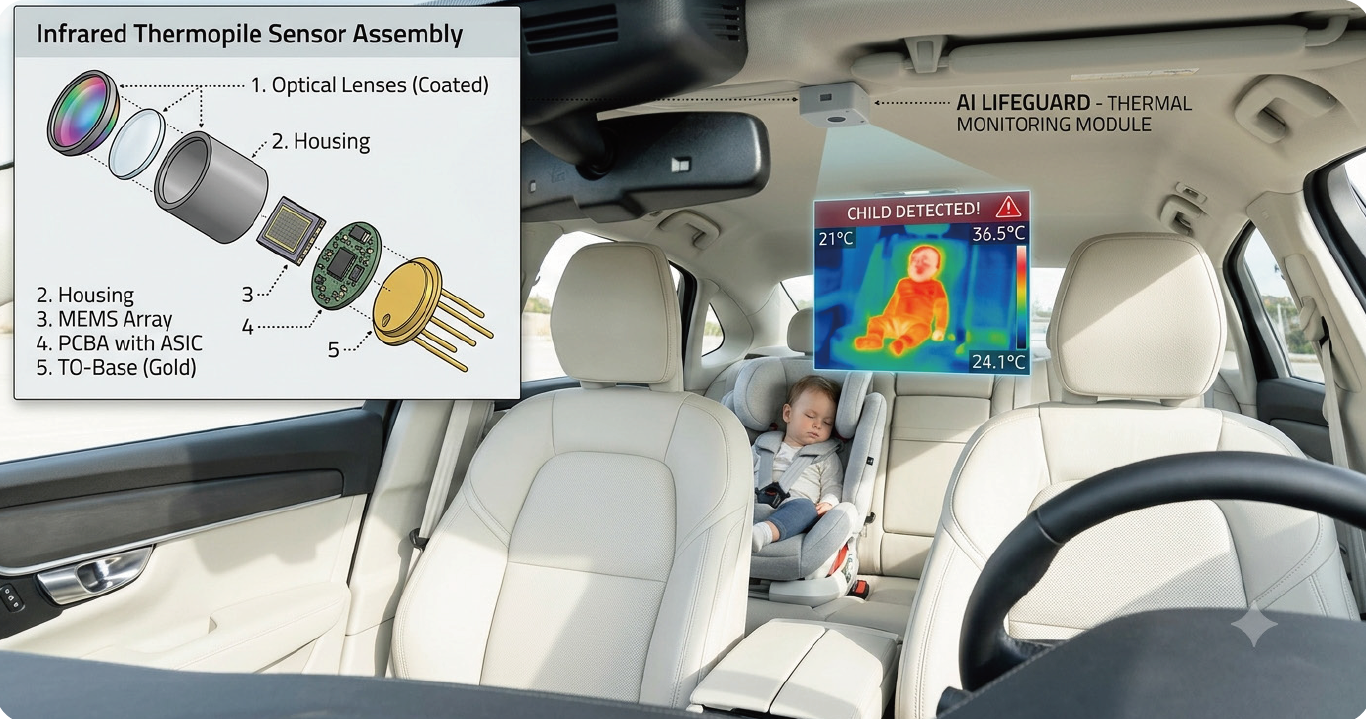
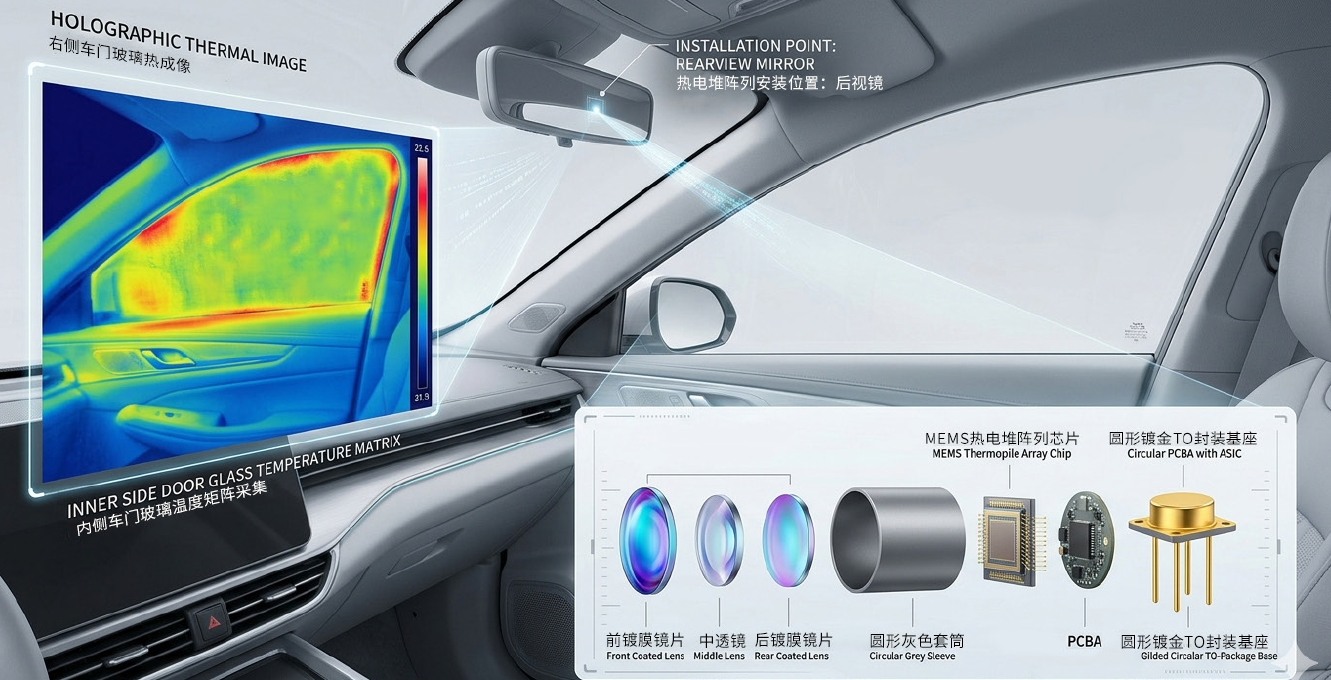
MFrontier's thermopile temperature sensors can be densely deployed at key heat-generating points in the battery module, acting like "sensitive tentacles." They can accurately capture signals and transmit them in real time to the monitoring system at the very early stages when abnormal chemical reactions occur inside the battery and the temperature shows a slight increase. This provides maintenance personnel with a critical warning window of several tens of minutes, sufficient to initiate investigation and cooling measures to prevent the situation from escalating.
Second line of defense: Detecting dangerous odors, warning of gas leakage risks
If the temperature warning fails to effectively intervene, the internal materials of the battery will further decompose, releasing characteristic gases such as electrolyte volatile substances and carbon monoxide – these gases are both precursors to fire and can cause explosions due to accumulation. At this point, a second barrier needs to be built using gas sensors that can "smell the danger":
Pyroelectric gas sensors: Highly sensitive to a variety of gases, especially suitable for capturing key characteristic gases such as carbon monoxide and volatile organic compounds (VOCs) released in the early stages of battery thermal runaway. They can issue warnings before the concentration reaches dangerous thresholds and drive the ventilation system to reduce the risk of gas accumulation, preventing secondary disasters.
The Third Line of Defense: Identifying Flames and Activating the Final Emergency Response
If the first two lines of defense fail to contain the risk, and an open flame appears, the reliability and speed of detection will directly determine the timing of the fire suppression system's activation. Traditional smoke detectors are susceptible to interference from dust and moisture in energy storage compartments and have delayed response times; however, pyroelectric flame sensors are the "all-seeing eyes" for detecting open flames:
They do not rely on smoke or heat accumulation, but directly capture the unique infrared radiation spectrum of flames (such as the characteristic radiation of CO₂ combustion products at a wavelength of 4.26 μm), resulting in extremely fast response times. MFrontier's pyroelectric flame sensors have strong anti-interference capabilities, effectively distinguishing flames from other heat sources, ensuring reliable operation in complex environments—once an open flame appears, the fire suppression system can be accurately triggered immediately, minimizing losses.
The monitoring capabilities of a single sensor are ultimately limited. Truly reliable safety protection requires building a multi-dimensional sensing network with digital temperature, multi-gas, and flame detection sensors working collaboratively. Through data fusion analysis, a complete picture of accident development can be clearly outlined:
Temperature anomaly warnings capture early thermal runaway signals; characteristic gas alarms identify dangerous gases released by battery decomposition; and open flame linkage response triggers the fire suppression system to contain the spread of fire. This tiered and progressive early warning mechanism transforms isolated monitoring points into a dynamic sensing "nervous system," achieving precise control of risks throughout the entire process.
Safety is the cornerstone of the sustainable development of the energy storage industry, and choosing reliable and accurate sensing equipment is the first step in building this foundation. By deploying MFroniter's thermopile temperature sensors, pyroelectric gas sensors, and flame detectors, power plant operators can achieve a transformation from "passive response".
Share