
High level and low level are common technical terms in digital circuits. They represent the presence or absence of a signal on a circuit, with no intermediate values. The specific voltage values vary depending on the circuit. In simple terms, they represent "on" and "off." For example, the light bulbs in our homes use 220V voltage. When we press the switch to turn on the light, it's a high level. When we don't need the light, we turn it off with the switch, and the voltage across the bulb disappears; this is a low level.
So, what is the difference between low level and high level?
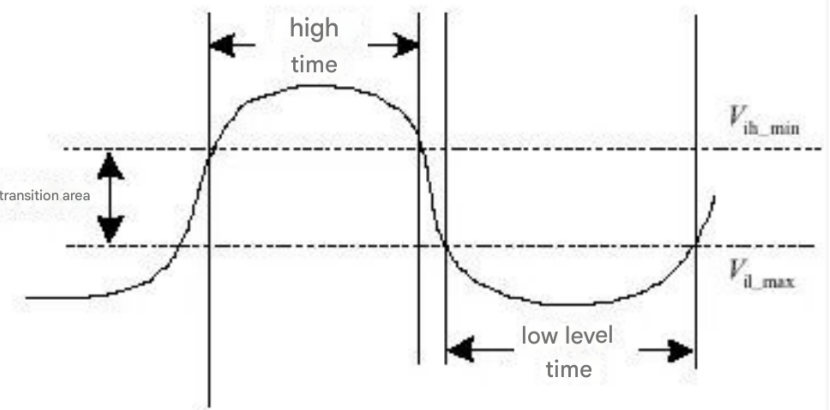
01. What do high level and low level mean?
In digital circuits, a high level refers to its highest voltage. For example, in a 10V circuit, the high level would be 10V or close to 10V, while the low level can be understood as zero, meaning 0V or close to 0V. The difference between high and low levels can be illustrated using the brightness of a light bulb. If we use a household light bulb to distinguish between high and low levels, the bulb being lit represents a high level, and the bulb being off (not emitting light) represents a low level.
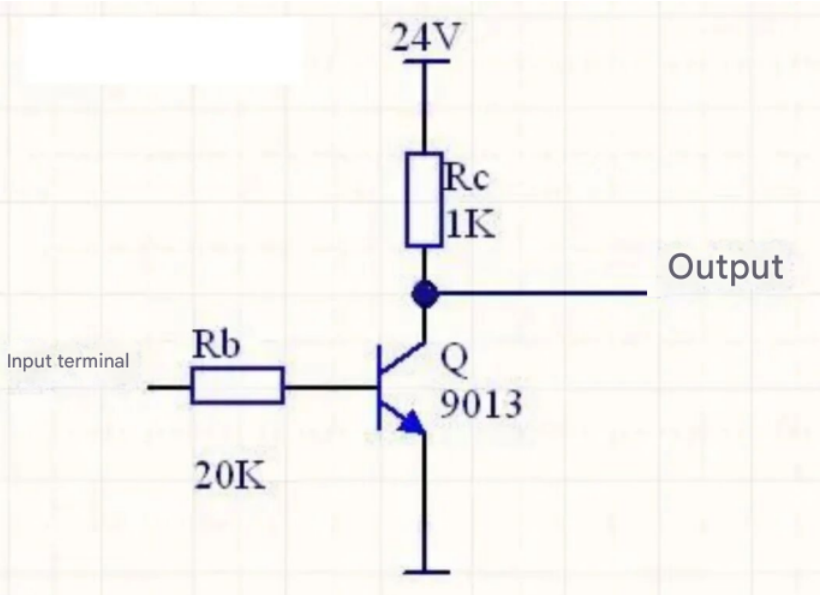
02. The Difference Between High and Low Voltage Levels
In different circuits, the voltage levels corresponding to high and low levels vary. In some circuits, high and low levels represent a small voltage range, while in others, they are approximately half of the power supply voltage. In digital circuits, the high and low levels are close to the specific values of the positive and negative power supplies.
The voltage between the high and low levels is considered unstable. This unstable voltage cannot guarantee the normal operation of electrical components, leading to unstable operation and potential malfunctions. This can affect the normal functioning of some electrical devices. For example, some laptops may fail to start properly on the first attempt but work normally after a restart; this is because the internal circuit encountered an unstable voltage during the initial startup.
This concept is also well illustrated by dimmable light bulbs. High and low voltage levels allow people to easily distinguish between them. When the dimmable light bulb is adjusted to its brightest setting, it reaches the highest voltage level. Adjusting it to any intermediate position results in a gradually decreasing voltage level, reaching the lowest level when it is dimmed to its lowest setting or turned off.
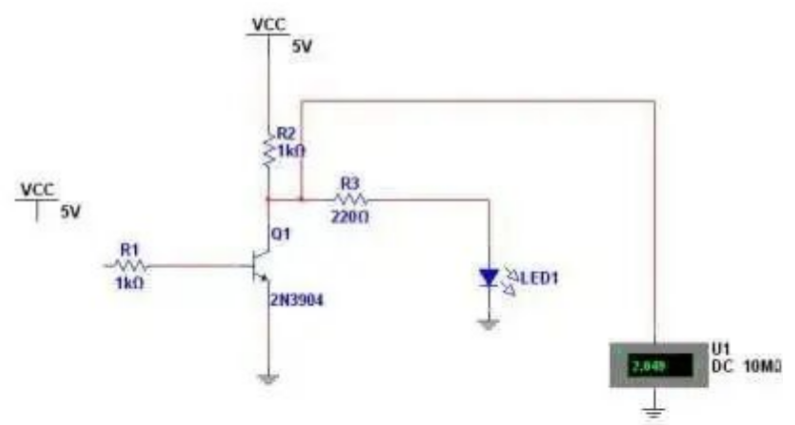
Therefore, it is evident that the voltage values differ across different circuits. In a digital circuit powered by 5V, the high level is 5V, or close to 5V. The low level is "off," meaning 0V or close to 0V.
Share