When "intelligence" becomes the keyword for home life, our expectations for home appliances have long gone beyond simply "being functional"—they must also be "easy to use," "thoughtful," and "safe." Behind all of this are the unsung heroes: the sensors that work tirelessly. Today, let's talk about how temperature sensors, PM2.5 sensors, CO₂ modules, refrigerant sensors, and infrared thermopile array sensors can make home appliances more attuned to life and more understanding of your needs.
Precise temperature control, ensuring the perfect "temperature" for small appliances ——Temperature Sensors
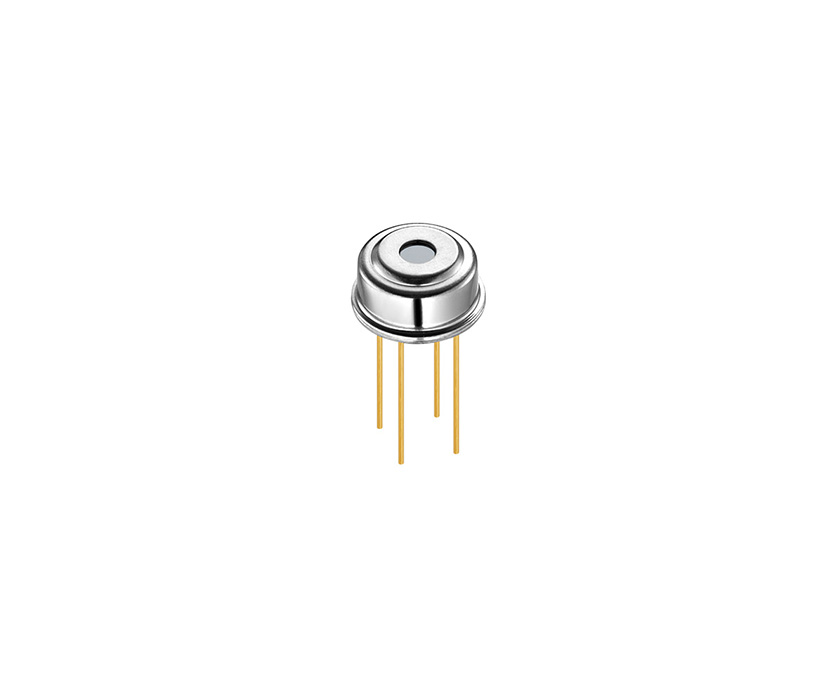
Temperature control is the "secret bridge" between home appliances and daily life, especially in small appliances that require precise temperature regulation. For example, in automatic cooking machines, achieving the perfect balance of "high-heat stir-frying" and "low-heat simmering" depends on precise temperature control: it senses the oil temperature in the pot in real time and automatically adjusts the heat, allowing even novice cooks to become instant chefs. The baby bottle warmer, a common source of frustration for new mothers, also relies on this technology: it precisely controls the milk temperature to around 37℃, almost identical to the mother's body temperature, eliminating worries about scalding the baby's mouth. These small details make small appliances more attuned to our lives and make our daily routines more convenient.
Protecting respiratory health and ensuring fresher air ——PM2.5 sensor & CO₂module
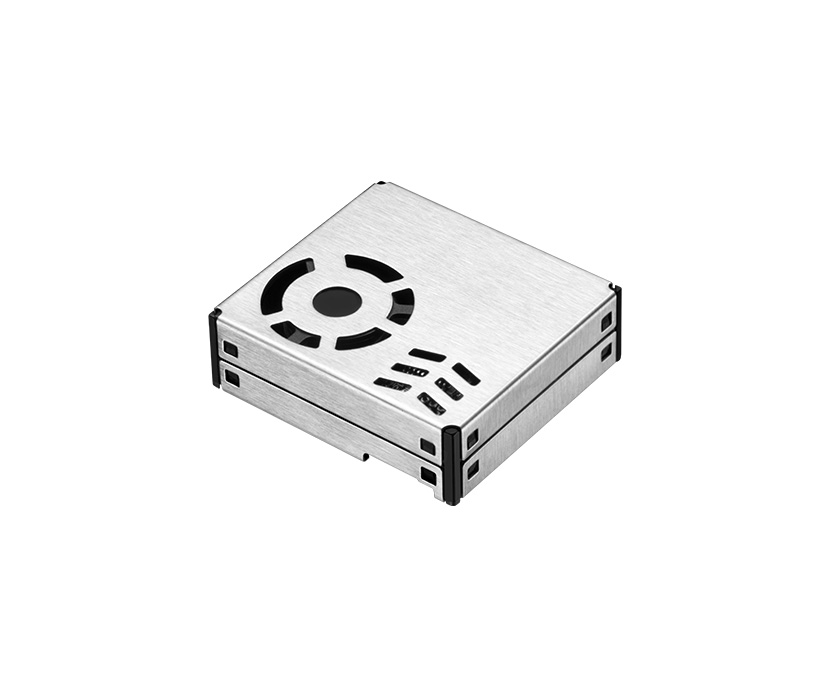
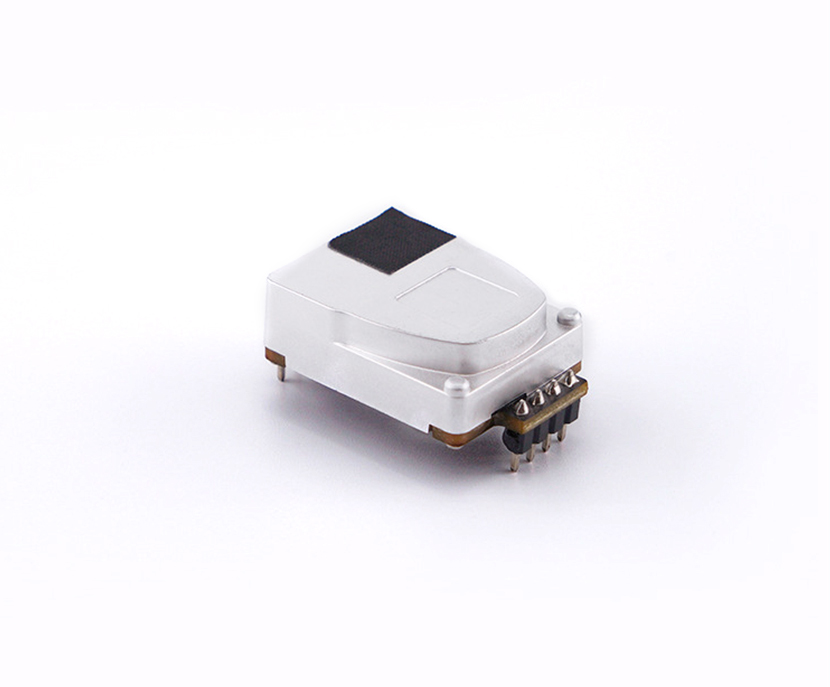
In the post-pandemic era, "comfortable breathing" has become a necessity in home life. We may not immediately notice whether the air in our homes is clean or stuffy, but these sensors can help us "see" it.
• PM2.5 sensor: Like an air "quality inspector," it can sensitively detect tiny particles in the air—such as cooking fumes and dust drifting in from outside. When used with an air purifier, it automatically determines whether the air needs purification, eliminating the need for manual adjustment, so you can breathe fresh air as soon as you get home.
• CO₂ module: More like a "ventilation assistant" for your home. When a family is sitting together for a meal, or when multiple people are gathering in the living room, the indoor CO₂ concentration will quietly rise, making people feel drowsy. It can promptly detect this change and link with the fresh air system or air conditioner to start ventilation, making the indoor environment "breathable" again, allowing children to concentrate better on their homework and the elderly to rest more peacefully.
Protecting air conditioner safety and eliminating hidden dangers——refrigerant sensor
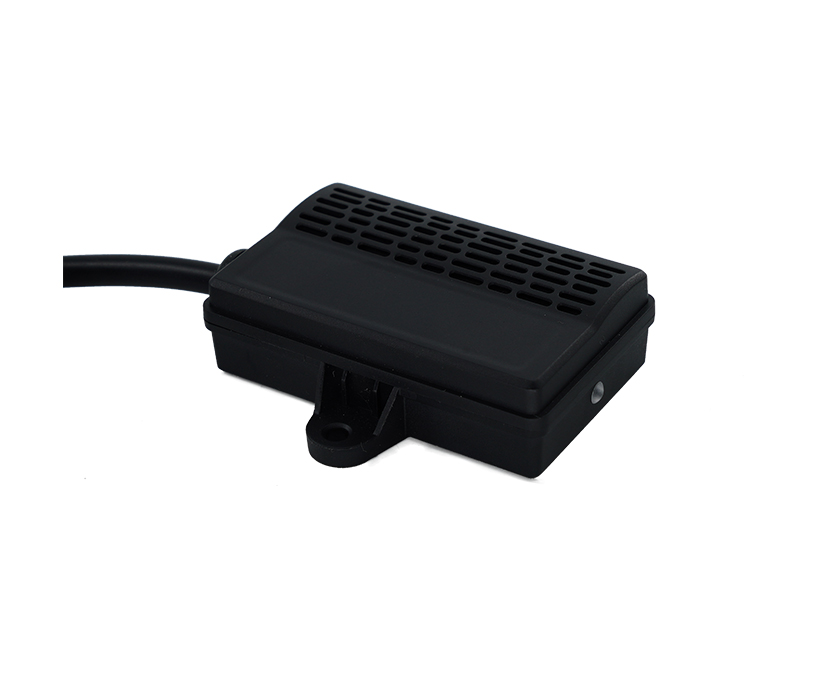
Air conditioners are a lifesaver in the summer, but if refrigerant leaks, not only is the cooling effect significantly reduced, but it can also pose safety risks. Refrigerant sensors are the "safety guardians" of air conditioners, specifically monitoring the state of the refrigerant.
They can detect even tiny refrigerant leaks, and once an anomaly is detected, the air conditioner will automatically sound an alarm or even shut down for protection. This prevents refrigerant waste and cooling failure, and eliminates potential safety problems caused by leaks, giving us peace of mind when using air conditioners.
Seamless Interaction, Letting Appliances "Understand Your Thoughts" —— Infrared Thermopile Array Sensors
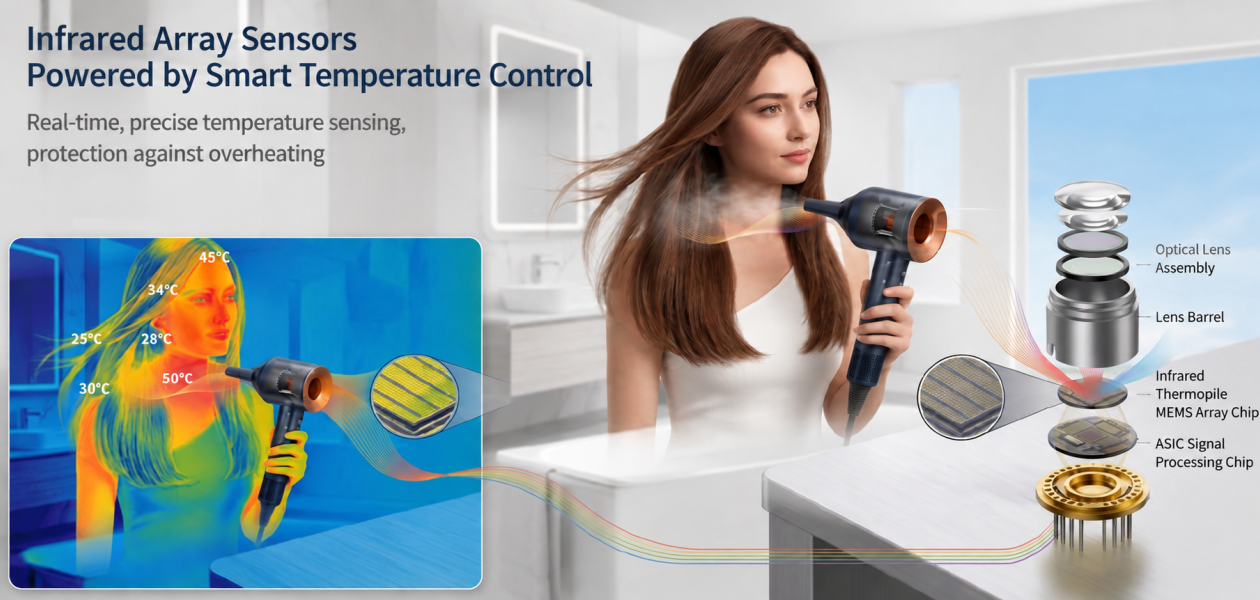
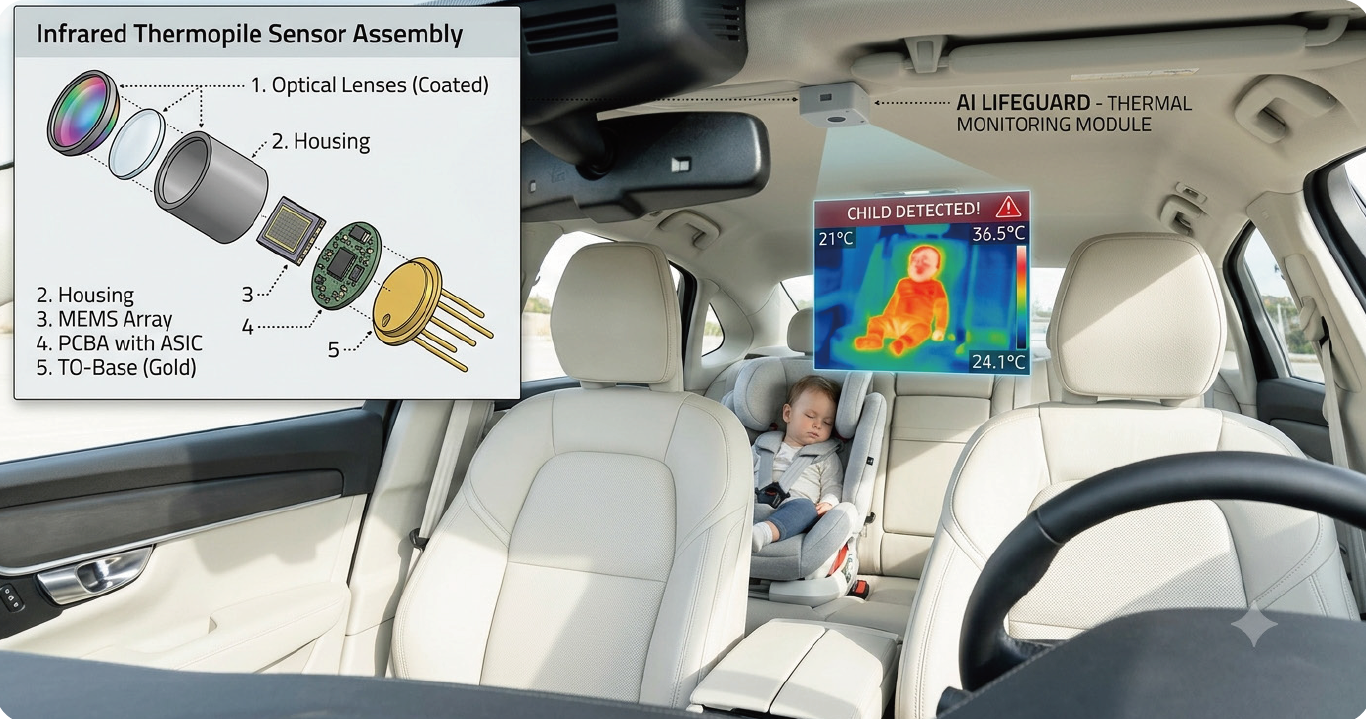
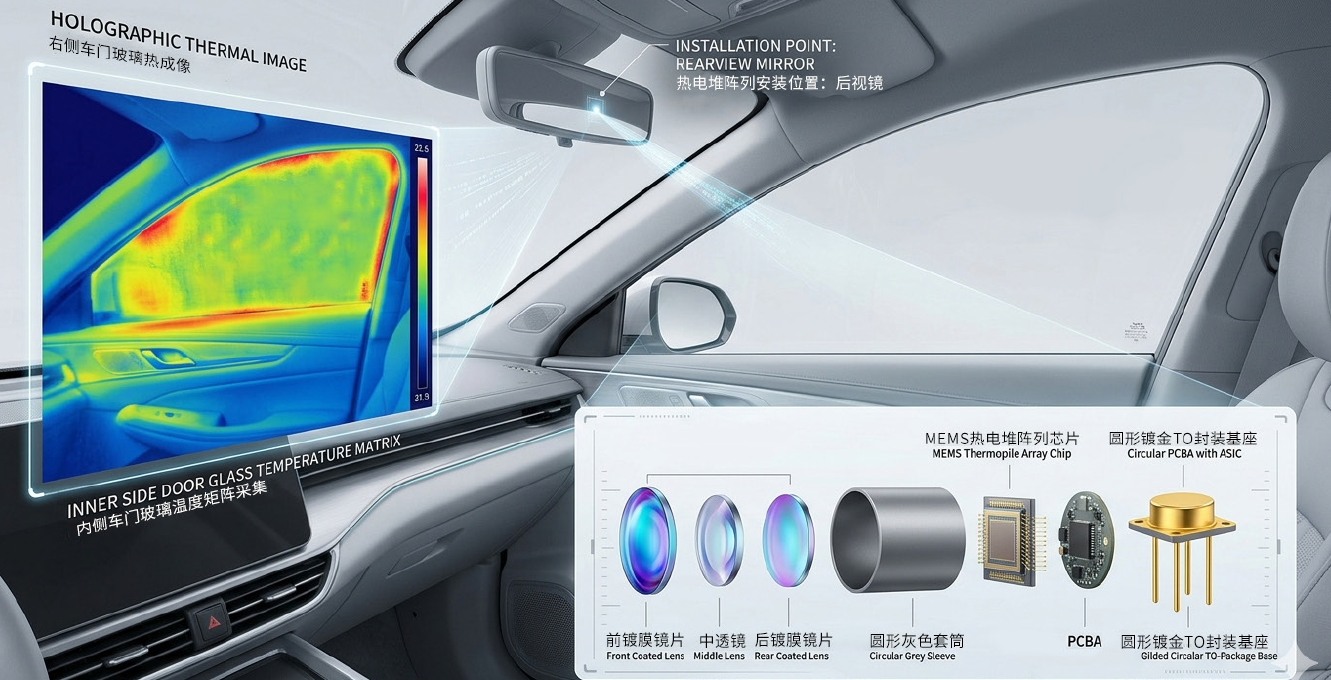
The highest level of smart home appliances is "usability without manual operation." Infrared thermopile array sensors are like the "eyes" of home appliances, sensing our presence and movements, making interaction more natural.
For example, a smart air conditioner acts like a thoughtful butler, sensing your entry into the room and automatically turning on the airflow; when you leave, it quietly shuts off to save energy; it can even adjust the airflow angle based on your position on the sofa, ensuring it doesn't blow directly on your head while keeping the entire room cool.
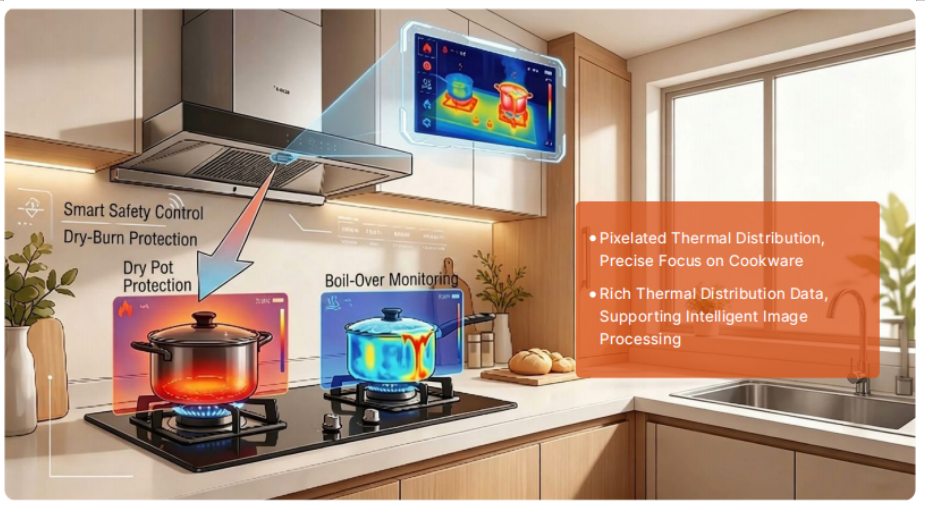
Consider the integrated range hood and cooktop system: when cooking, it acts like a "little helper" in the kitchen – sensing the flame on the cooktop and automatically turning on the range hood; as the flame intensifies, the airflow increases, instantly sucking away the fumes; after turning off the heat, it delays shutting off for a few minutes to clean up any remaining fumes. No more fumbling with the range hood switch, and no more being choked by fumes because you forgot to turn it on.
Full-Scenario Collaboration, Making Smart Home Appliances More Thoughtful
A single sensor can solve a single pain point, but multiple sensors working together can provide a more complete and thoughtful smart living experience. For example:
The "PM2.5 sensor + CO₂ module + infrared thermopile array sensor" combination in a smart air conditioner acts as an invisible air manager. The PM2.5 sensor detects dust brought in through open windows and fumes from the kitchen, automatically purifying the air if levels exceed the limit; the CO₂ module senses increased concentration when family members are gathered together, linking to the fresh air system to introduce fresh air; the infrared thermopile array sensor adjusts the airflow based on body position (e.g., not blowing directly on a child playing with building blocks), and reduces the airflow speed when people leave the room. No manual operation is required throughout the entire process; cool and refreshing natural air surrounds you, making summer comfort even more effortless.
Share