Based on global and Chinese market forecasts, the future rankings of key sensor market segments will be determined by four dimensions: market size, growth rate, technical barriers, and the intensity of application-driven demand. Below are the key segments ranked by overall potential (including size, growth rate, core drivers, and opportunities for domestic substitution):
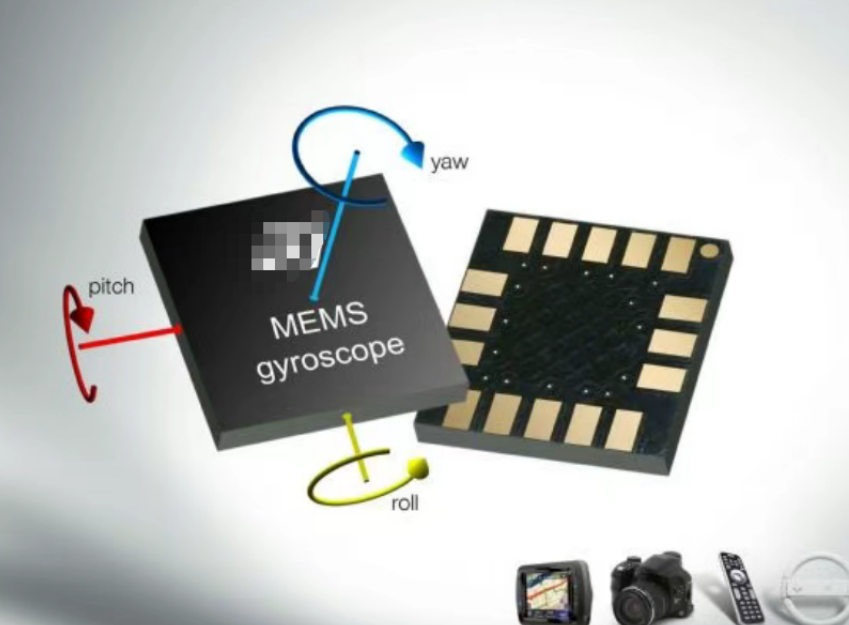
1. MEMS Sensors (Overall Rank: 1)
Market Size: Global ~US$80 billion and China ~RMB 50 billion in 2024; projected to exceed US$150 billion globally and RMB 120 billion in China by 2030.
Compound Growth Rate: 12%–15% globally; 15%–18% in China.
Core Drivers: Smartphones, wearables, automotive electronics, IoT, and industrial automation; penetration of AIoT and edge computing.
Key Sub-segments: Accelerometers, gyroscopes, microphones, pressure sensors, inertial measurement units (IMUs), RF MEMS, and bio-MEMS.
Domestic Substitution Opportunities: Domestic market share is 40%–60% for low-to-mid-end products; less than 20% for high-end RF/bio-MEMS, indicating significant room for domestic substitution.
2. Optical Sensors (Overall Ranking: 2)
Market Size: Global >$45 billion and China ¥34 billion in 2024; Global >$80 billion and China >¥70 billion by 2030.
Compound Growth Rate: 13%–16% globally; 15%–18% in China.
Key Drivers: Machine vision, autonomous driving, AR/VR, multi-camera smartphone setups, security surveillance, and industrial inspection.
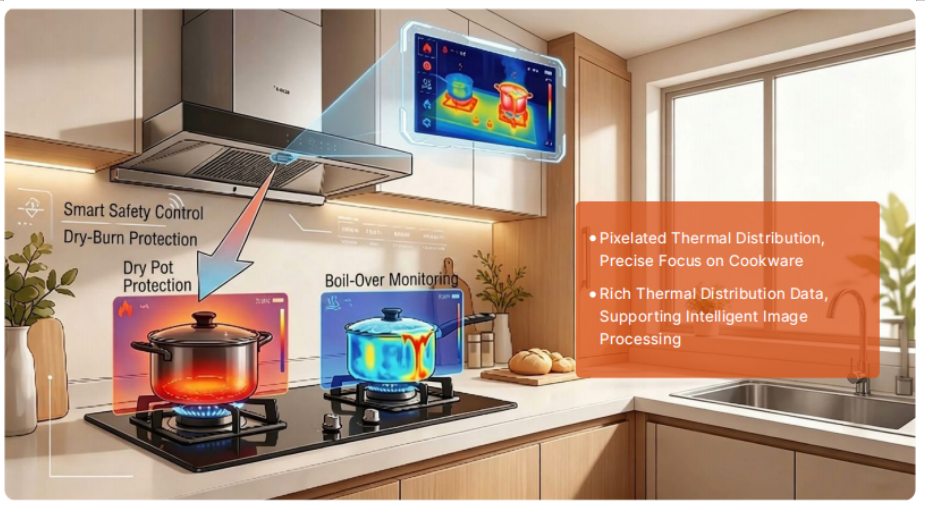
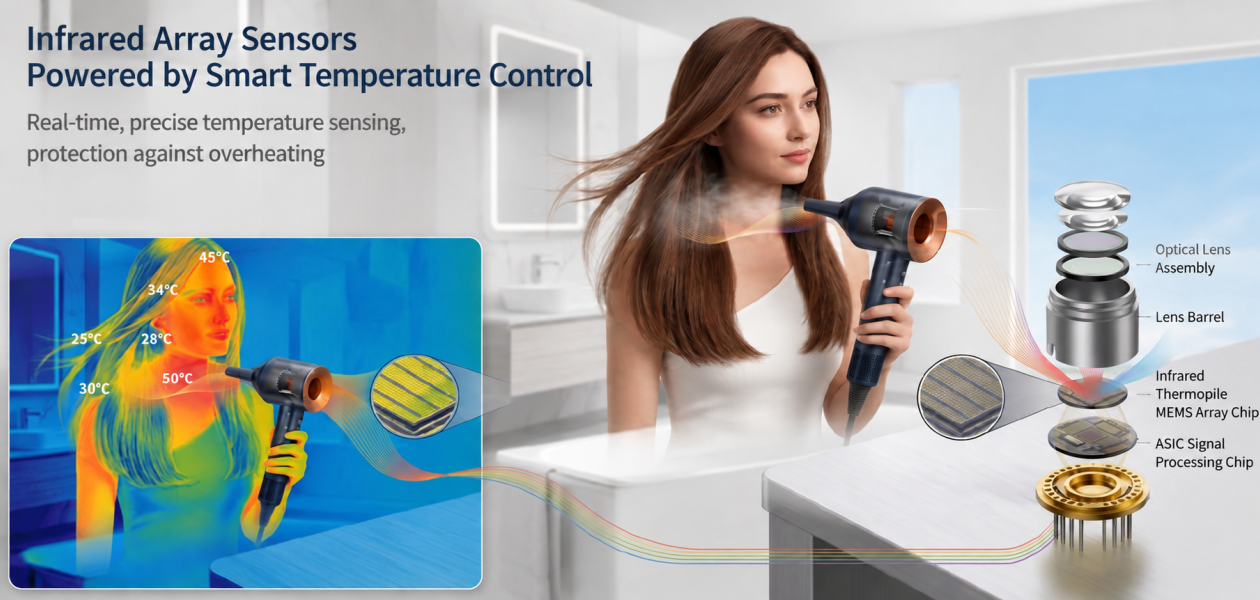
Key Sub-sectors: Image sensors (CIS), LiDAR, infrared sensors, and fiber-optic sensors.
Domestic Opportunities: Breakthroughs in low-to-mid-end CIS; reliance on imports for high-end CIS and core LiDAR chips, with domestic players accelerating to catch up.
3. Pressure Sensors (Overall Ranking: 3)
Market Size: Global >$30 billion and China ¥21 billion in 2024; Global >$50 billion and China >¥45 billion by 2030.
Compound Growth Rate: Global 10%–12%; China 12%–15%.
Key Drivers: Automotive (ICE/New Energy Vehicles), industrial automation, hydraulics/pneumatics, medical, aerospace, and hydrogen storage & transport.
Key Sub-segments: Silicon-based piezoresistive, capacitive, piezoelectric, and specialized high-temperature/high-pressure sensors.
Domestic Opportunities: Domestic market share is 48%; room remains for import substitution in high-end automotive-grade and industrial-grade segments.
4. Sensors for Humanoid Robots (Overall Ranking: 4)
Market Size: Global >¥3 billion in 2025; >¥20 billion by 2030; >¥85 billion by 2035.
Compound Growth Rate: 45%–50% (2025–2035).
Key Drivers: Commercialization of humanoid robots; sensors account for >22% of a single robot's total cost.
Key Sub-segments: Six-axis force sensors, tactile/slip sensors, electronic skin, multi-axis IMUs, and vision/proximity sensors.
Domestic Opportunities: The global market is in its nascent stage; domestic companies are accelerating their presence in force sensors and flexible sensing, offering the potential to "overtake on the bend" (leapfrog competitors).

5. Automotive Sensors (Overall Ranking: 5)
Market Size: Global >$60 billion in 2024; >$120 billion by 2030.
CAGR: 12%–15%.
Key Drivers: Rising penetration of new energy vehicles (NEVs), deployment of L3+ autonomous driving, automotive-grade functional safety and redundancy requirements, and smart cockpits.
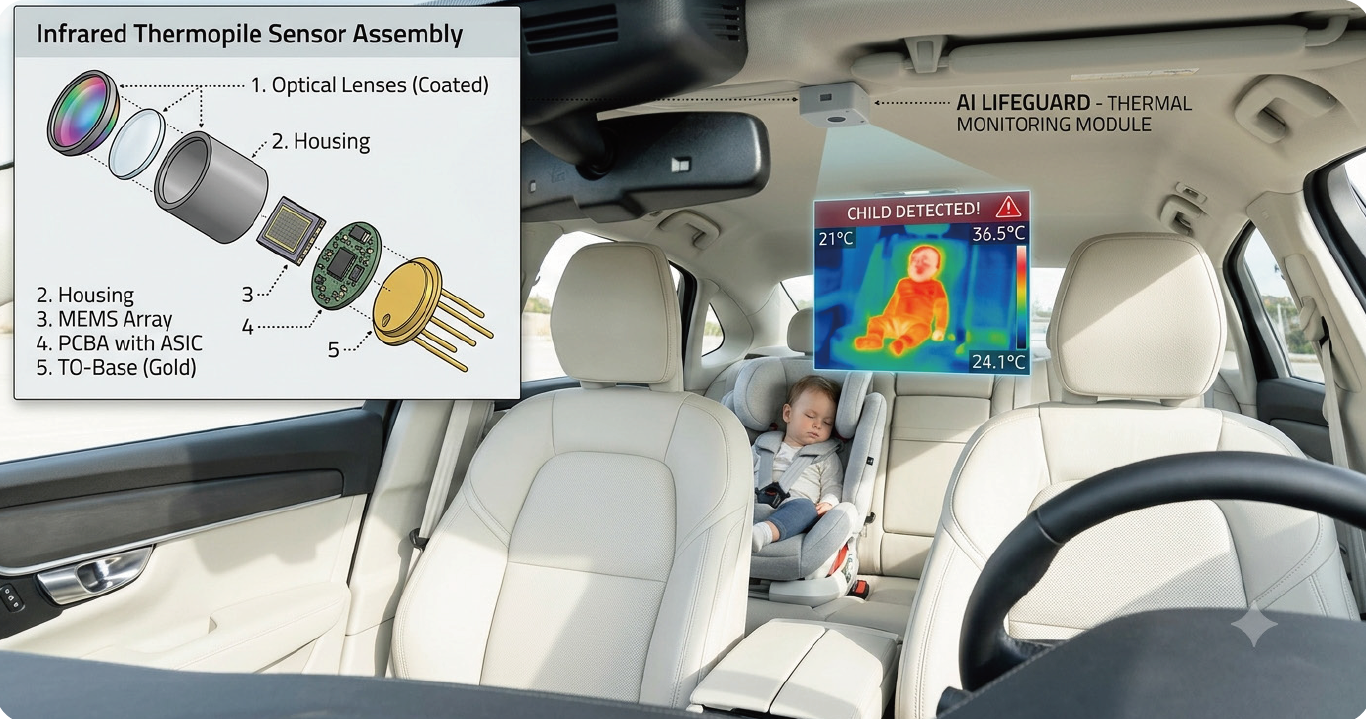
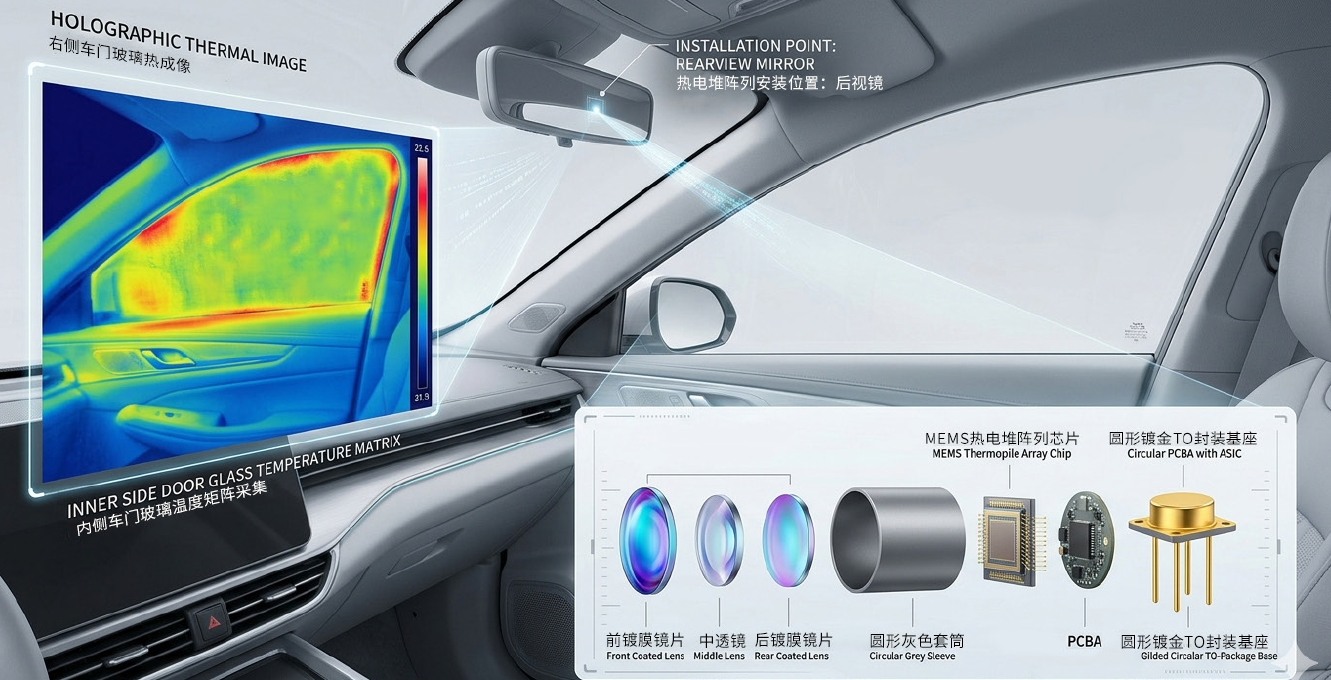
Key Sub-segments: Millimeter-wave radar (4D imaging), LiDAR, cameras, current/voltage/temperature/pressure sensors, IMUs, and occupant monitoring sensors.
Domestic Opportunities: Current localization rate of 28%–35%; target of >55% by 2028; accelerated domestic substitution.
6. Current Sensors (Overall Ranking: 6)
Market Size: Global $4.765 billion in 2026; $9.011 billion by 2030.
CAGR: 9.5% (2026–2030).
Key Drivers: NEVs (800V high-voltage platforms), energy storage, PV/wind power, industrial variable frequency drives (VFDs), charging piles, and grid monitoring.
Key Sub-segments: Hall-effect sensors, fluxgate sensors, TMR sensors, and shunt resistors.
Domestic Opportunities: Localization rate rising from 38% to >60% (by 2030); significant domestic breakthroughs in closed-loop Hall and TMR sensors.
7. Gas Sensors (Overall Ranking: 7)
Market Size: 2024: Global >$2 billion, China RMB 11.2 billion; 2030: Global >$4 billion, China >RMB 25 billion.
CAGR: Global 10%–12%; China 13%–15%.
Key Drivers: Environmental monitoring, industrial safety, smart home, healthcare, hydrogen safety, and air quality control.
Key Sub-segments: VOC, CO/CO₂, NOₓ, H₂, methane, and formaldehyde sensors; MEMS gas sensors.
Domestic Opportunities: Localization rate of 55%; breakthroughs still needed in high-end, low-power, and high-precision MEMS gas sensors.
8. Temperature Sensors (Overall Ranking: 8)
Market Size: 2024 – Global >$25 billion, China 17.8 billion RMB; 2030 – Global >$40 billion, China >35 billion RMB.
CAGR: Global 8%–10%, China 10%–12%.
Key Drivers: New energy vehicle (NEV) BMS, Industrial IoT, smart home, medical, aerospace, data center cooling.
Key Sub-sectors: NTC, PTC, thermocouples, platinum resistance, infrared temperature measurement, fiber-optic temperature measurement.
Domestic Opportunities: Domestic market share is 62%; room remains for import substitution in high-end, high-precision products and those capable of withstanding extreme environments.
9. Flexible Sensors (Overall Ranking: 9)
Market Size: 2024 – Global >$3 billion; 2030 – >$10 billion.
CAGR: 20%–25%.
Key Drivers: Wearable devices, smart healthcare (flexible patches), human-machine interaction, electronic skin, robotics, smart home.
Key Sub-sectors: Flexible pressure, strain, tactile, gas, and biosensors; graphene/polyimide-based flexible sensing.
Domestic Opportunities: An emerging global sector; rapid domestic breakthroughs in materials and manufacturing processes offer the potential for development in step with international peers.
10. Smart Sensors (AI + Sensing Fusion) (Overall Ranking: 10)
Market Size: 2024 – Global >$52 billion, China >150 billion RMB; 2030 – Global >$120 billion, China >300 billion RMB.
CAGR: Global 13%–15%, China 15%–18%.
Key Drivers: AIoT, edge computing, industrial predictive maintenance, intelligent driving, smart home, smart city.
Key Sub-sectors: Smart sensors with integrated AI chips, edge AI sensors, multi-sensor fusion systems.
Domestic Opportunities: Domestic market share is 35%–40%; the target for 2025 is >50%, with domestic substitution accelerating.
1. High Scale and Growth: MEMS, optical sensors, and automotive sensors lead the market due to their large installed bases and high growth rates; sensors dedicated to humanoid robots show the greatest potential, with growth exceeding 45%.
2. Technical Barriers and Domestic Substitution: Domestic localization rates remain low in the high-end segments of MEMS, optical sensors, and automotive sensors, offering vast opportunities for domestic substitution.
3. Application-Driven Surge: Humanoid robots, autonomous driving, new energy vehicles (NEVs), and AIoT are driving explosive growth in their respective market segments.
4. Policy and Industrial Support: National "14th Five-Year" and "15th Five-Year" plans prioritize support for MEMS, smart sensors, and automotive-grade sensors, accelerating domestic substitution.
2026–2028: MEMS, optical sensors, and automotive sensors retain the top three positions; sensors dedicated to humanoid robots rise rapidly, entering the top five.
2028–2030: Sensors dedicated to humanoid robots jump into the top three; market shares for current, flexible, and smart sensors continue to rise.
Domestic Substitution Trajectory: Localization rates for low-to-mid-end sensors exceed 70%; localization rates for high-end MEMS, optical sensors, and automotive-grade sensors reach 50%–60%, breaking international monopolies.
Share